

Community
Hoboken to Deploy Sidewalk-Scanning Robots to Improve ADA Accessibility

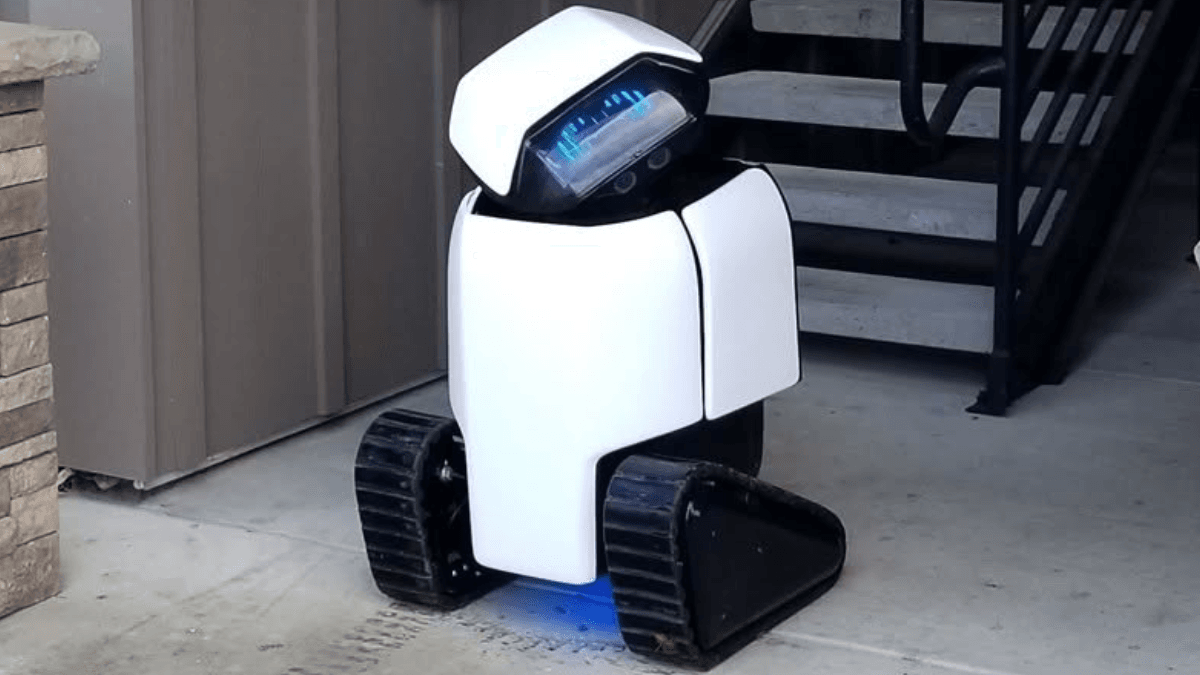
The City of Hoboken will begin surveying its sidewalks and pedestrian infrastructure using robotic scanners on Monday, July 13, as part of a month-long effort to improve accessibility across the city.
Over the next month, residents will begin seeing Daxbot robots traveling along Hoboken sidewalks to collect information about the existing conditions of sidewalks, curb ramps, pedestrian signal push buttons, crosswalks, and park pathways. The data will be used to identify accessibility barriers and shape the city’s new Accessibility Action Plan as part of its updated Vision Zero Action Plan.
The robots, which will wear a high-visibility vest, travel at walking speed and use sensors to collect detailed engineering measurements, including sidewalk width, slope, vertical changes, and curb ramp conditions relevant to Americans with Disabilities Act accessibility.

The city said the robots will be supervised at all times, are designed to yield to pedestrians, and collect only engineering data related to pedestrian infrastructure. The robots do not store personal information.
“Hoboken has become a national model for street safety because we’ve consistently invested in making our streets work better for everyone,” said Mayor Emily B. Jabbour. “By combining innovative technology like Daxbot with feedback from residents and guidance from accessibility advocates, we’ll better understand where improvements are needed and develop a roadmap that makes Hoboken’s streets, sidewalks, and public spaces safer and more welcoming for everyone.”
The city is also launching a public accessibility survey to gather feedback from residents, businesses, and community organizations. The survey is scheduled to close on July 23.
Residents who encounter a Daxbot are encouraged to take a selfie and tag the city, but are asked not to obstruct the robot as it works.
Hoboken has maintained nine consecutive years without a traffic death through its Vision Zero initiative. Mayor Jabbour first introduced the accessibility plan in an executive order she signed in March.