

News
Stevens Institute Researchers Develop Algorithm to Improve Fairness in Disaster Aid Delivery

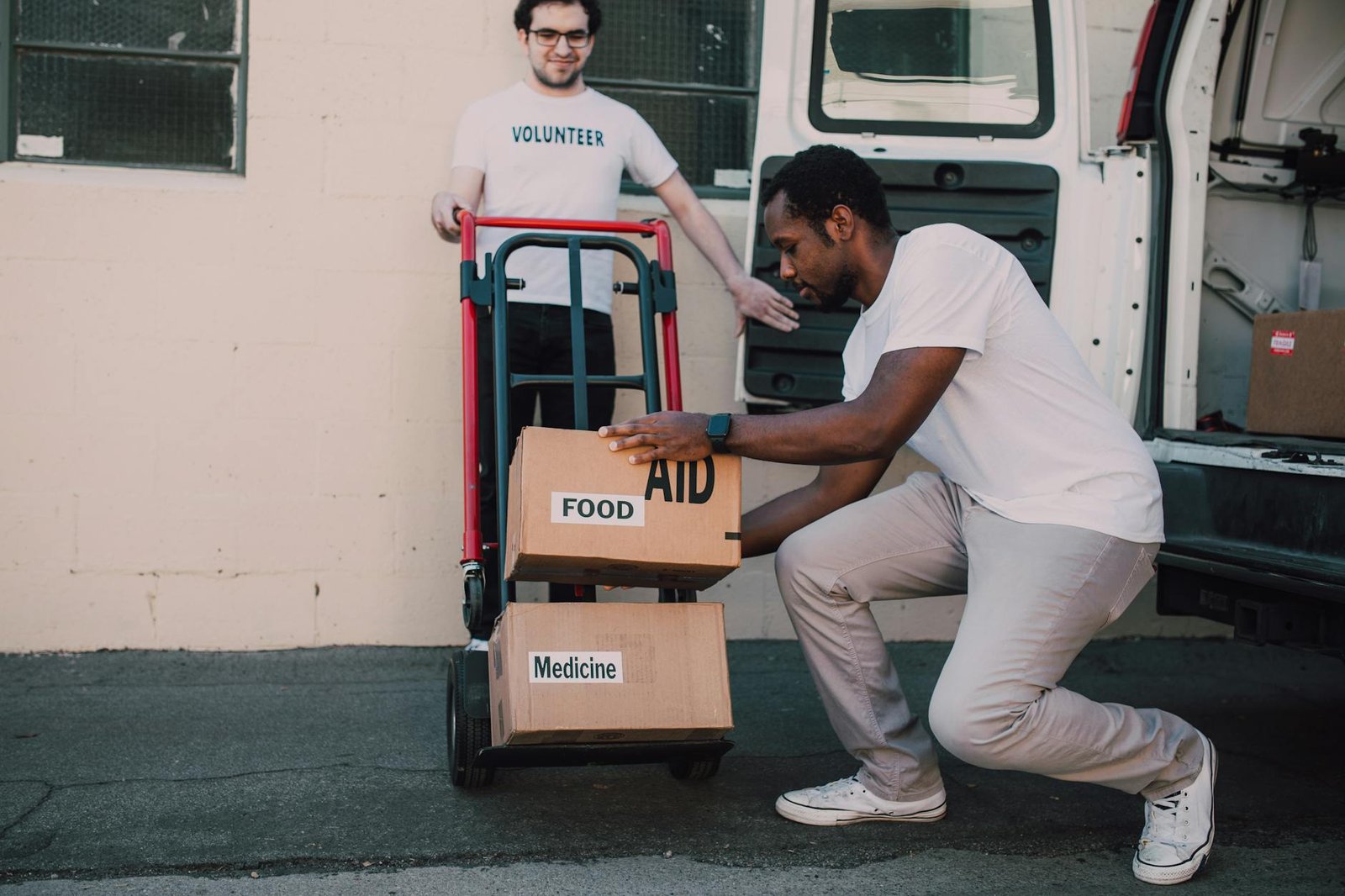
Researchers at Stevens Institute of Technology in Hoboken developed a mathematical algorithm designed to improve the fairness of disaster aid delivery by minimizing the time it takes for the last person to receive assistance, according to a study published in the journal Computers and Industrial Engineering in March 2026.
The model focuses on truck and drone coordination, a common approach in humanitarian relief efforts. Trucks transport large quantities of supplies as close to a disaster site as possible, while drones complete last-mile deliveries to locations made inaccessible by damaged roads, flooded bridges, or other obstructions.
Associate Professor Jose Ramirez-Marquez, who studies disaster recovery and resilience at the Department of Systems Engineering, led the research alongside Teaching Assistant Professor Nafiseh Ghorbani-Renani and doctoral candidate Ramin Talebi Khameneh Ramin. The team used artificial intelligence and machine learning tools to develop an approach that optimizes service fairness, workload balance, and cost efficiency.
“That way, aid is spread more evenly over time,” said Ramirez-Marquez. “And it’s also a fairer way to deliver aid.”
To test the system, the team simulated aid delivery scenarios in two settings. The first was Hoboken, which experienced severe flooding during Hurricane Sandy in 2012. The second was Hopkins County, Ky., which experienced floods in 2025. The second scenario also incorporated the potential impact of disinformation on aid requests.
Ramirez-Marquez said the algorithm is ready for use and that the next step is a real-world test with a municipality.
“The algorithm is ready to be used, now we just need to test in real world settings,” he said.