

News
Supreme Court Weighs First Amendment Challenge from New Jersey Pregnancy Center

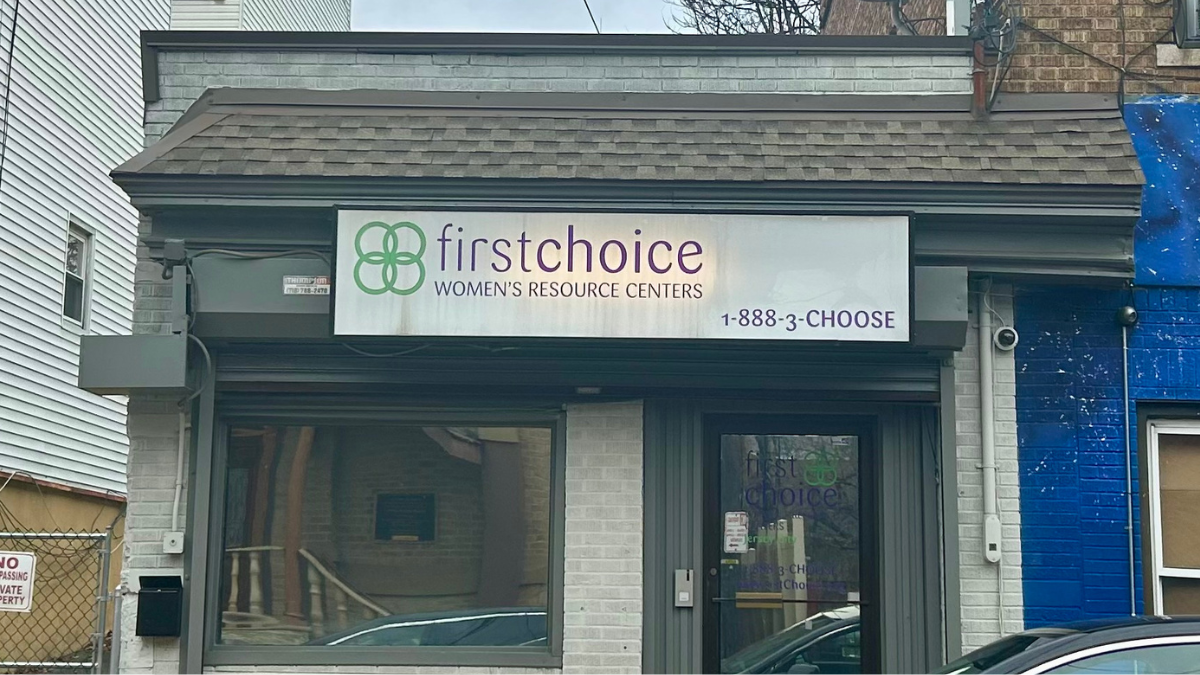
In June of this year, the Supreme Court agreed to hear First Choice Women’s Resource Centers, Inc. v. Platkin, a case involving New Jersey Attorney General Matthew Platkin. In November 2023, Platkin issued a sweeping subpoena to First Choice, a women’s pregnancy crisis medical center. The subpoena demanded a wide array of internal materials, including detailed information about staff and donors, as well as 10 years’ worth of solicitation materials, advertisements, personnel records, and internal communications.
Platkin said the subpoena was intended to ensure the pregnancy center was not misleading donors or providing misinformation to New Jersey residents. The state launched a consumer-protection review of First Choice Women’s Resource Centers, Inc., a group of faith-based “crisis pregnancy centers,” over concerns its marketing or public messaging could give the impression it offered abortion referrals or comprehensive reproductive health services, which it does not. “Non-profits may not deceive or defraud New Jerseyans, and we regularly exercise our traditional investigative authority to ensure they are not doing so just as we do to protect our residents from a range of other misrepresentations.”
First Choice Health argues the subpoena violates its First Amendment rights, claiming that disclosing donor information would stop donor support altogether. The organization contends that donor privacy has always been a core First Amendment concern, people often give donations to ideological, religious, or political causes only if their identities remain confidential. “For more than two years, Attorney General Platkin has been targeting First Choice with aggressive demands for sensitive documents, including our donors’ identities. He has gone to great lengths to frustrate the important work we do, work that has made a tangible, life-saving difference for tens of thousands of New Jersey women and their children. The government can’t harass those who support pro-life ministries just because it disagrees with their message and their mission,” said First Choice of Jersey City Executive Director, Aimee Huber.
Platkin has argued that the federal case is premature, as the subpoena has not yet been enforced, and that the matter should first be addressed in state court. He maintains that the subpoena is a legitimate investigatory tool under state consumer-protection and non-profit regulation laws.
Planned Parenthood, a reproductive and sexual health medical center in New Jersey, issued a statement regarding First Choice Health. “Everyone deserves to make informed decisions about their health and access the care they need, without judgment, shame or coercion. Crisis pregnancy centers (CPCs), also referred to as anti-abortion centers, dissuade people from making fully informed decisions about their health. These organizations often make themselves look like full-service reproductive health clinics that will provide pregnant people with health care, including medical information and counseling. Instead, they attempt to coerce, deceive and manipulate people, delaying access to time-sensitive medical care,” said Kaitlyn Wojtowicz, Executive Director of Planned Parenthood Action Fund of New Jersey. It’s important to note that Planned Parenthood treats donor records and information as confidential.
Several justices have shared their opinions on the case, with the majority appearing to favor First Choice Health, expressing skepticism that the subpoena is merely a “request.” The case has drawn unusual alliances among groups and even within the Court itself. Concerns over free speech, donor privacy, and potential chilling effects have resonated across ideological lines. If the Supreme Court rules in favor of First Choice, it could limit how aggressively state attorneys general use sweeping subpoenas to investigate ideologically aligned non-profits—or at least force them to consider privacy and free-speech implications more carefully.