News
Jersey City Council Adopts Budget With 15% Property Tax Increase

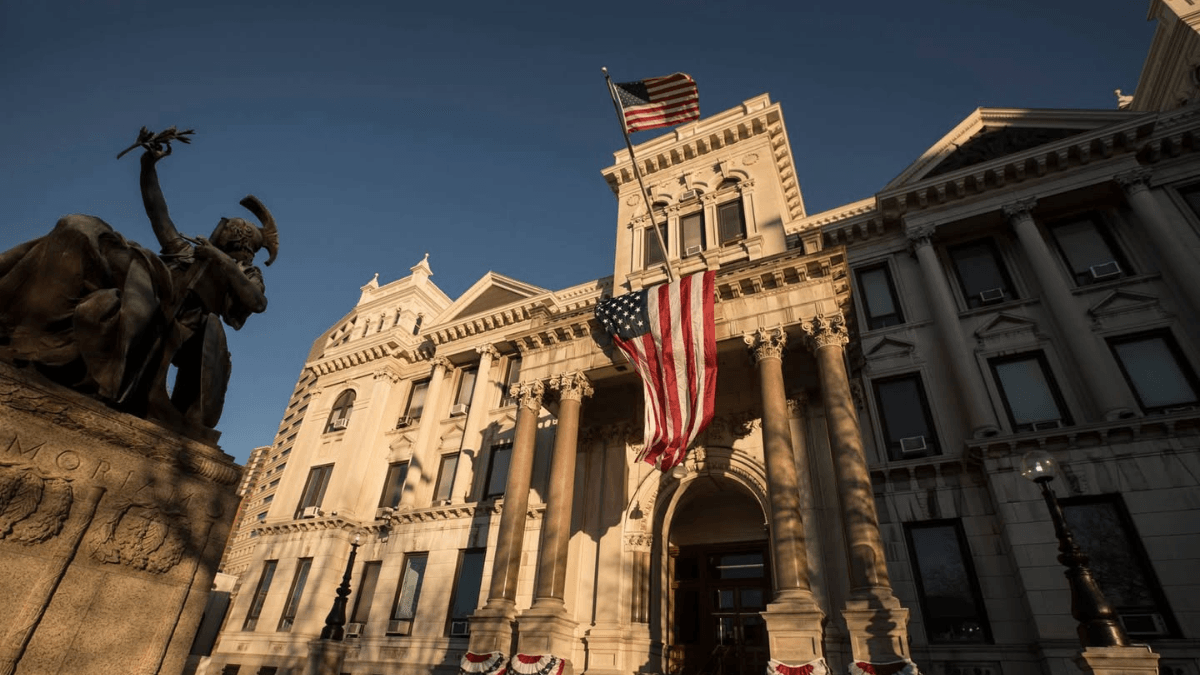
The Jersey City Council adopted its 2026 municipal budget at a special meeting on Wednesday, August 26, 2026, approving a spending plan of about $886.4 million after months of debate over how to close a major deficit.
The budget was introduced on July 15, 2026, followed by a public hearing on August 19, and the council adopted a final round of amendments through Resolution 26-535 before giving it final approval.
The budget closes a $255 million deficit that Mayor James Solomon revealed in February, which he has said he inherited from the previous administration. To help close the gap, the state agreed to an aid package that includes a $105 million low-interest loan and a $15 million grant. The state conditioned that aid on the city raising its property tax levy by at least 15%.

Solomon’s initial proposal called for a 20% tax increase, which his administration reduced to 15.5% following objections from property owners, council members, and city unions. Late amendments trimmed it further, to about 15.15%, or roughly $597 more per year for the average homeowner.
The city said it cut more than $58 million in spending to help balance the budget, and that no police officers or firefighters would be laid off.
“This budget is a significant step towards solving our historic fiscal crisis and protecting basic city services,” Jersey City Communications Director Nate Styer said. “The Mayor fought for and won a historic $120 million aid package from Trenton to lessen the burden on Jersey City taxpayers and protect vital city services this year, like right to counsel, safer streets and public safety.”
“In the end, we cut city spending by over $58 million and limited this year’s tax increase to the lowest possible level,” Styer said. “While both the cuts and tax increase are painful, we believe they are the first steps towards getting Jersey City’s finances back to healthy and stable.”